
How luck plays a role in your casino experience
Magyar nyelvű online kaszinók: hogyan válassz megbízható játékhelyet?
August 31, 2026Scoprire i segreti dei giochi da casinò online
August 31, 2026
The Concept of Luck in Gambling
Luck is an omnipresent theme in the realm of gambling, often regarded as an unpredictable force that influences game outcomes. Whether players are spinning the reels of a slot machine or placing bets at a poker table, many attribute their wins and losses to luck, especially when visiting a ripper casino that offers thrilling experiences. This perception can either amplify the excitement of the game or lead to frustration, depending on an individual’s personal experiences. The inherent randomness involved in many casino games fuels this belief, leaving players with a sense of being at the mercy of chance.
In casino environments, games are typically designed with odds that favor the house, yet luck can create unexpected victories. For instance, hitting a jackpot on a slot machine is often perceived as a stroke of good fortune, as players have no control over the machine’s mechanics. This element of chance also plays a psychological role in gambling; players frequently recount their ‘lucky moments’ to friends, reinforcing the belief that luck is a significant aspect of their casino experience. While skill and strategy are crucial in games like poker, luck remains an undeniable factor in the overall landscape of gambling.
Moreover, the concept of luck can be deeply subjective. For one player, a series of near-misses may signify bad luck, while for another, these moments might represent the anticipation of an impending win. Such perceptions shape individuals’ emotional responses to gaming outcomes. Understanding one’s relationship with luck is crucial, as it can dictate a player’s decisions and willingness to engage further in gambling activities, influencing the overall enjoyment of the experience. The embrace of this randomness can make every visit to a casino feel like stepping into a thrilling adventure.
The Role of Chance in Game Mechanics
Casino games are predominantly structured around chance, meaning that the outcome is heavily influenced by randomness. In games like roulette, the spin of the wheel and the bounce of the ball are entirely unpredictable, making luck a vital element in the experience. While players may employ various strategies to maximize their chances of winning, the inherent randomness ensures that luck always plays a part. This unpredictability is part of what draws many players to the casino environment, eager to discover where luck might lead them next.
In slot machines, for example, the use of Random Number Generator (RNG) technology guarantees that each spin is independent and random. This means that while patterns may sometimes appear over short periods, luck ultimately dictates each outcome. Even with the best strategies in place, players may find themselves on losing streaks or suddenly experiencing a windfall. The thrill of the unknown is a significant reason people return to casinos, hoping that luck will be on their side during their next visit. Each game becomes a new opportunity for luck to manifest.
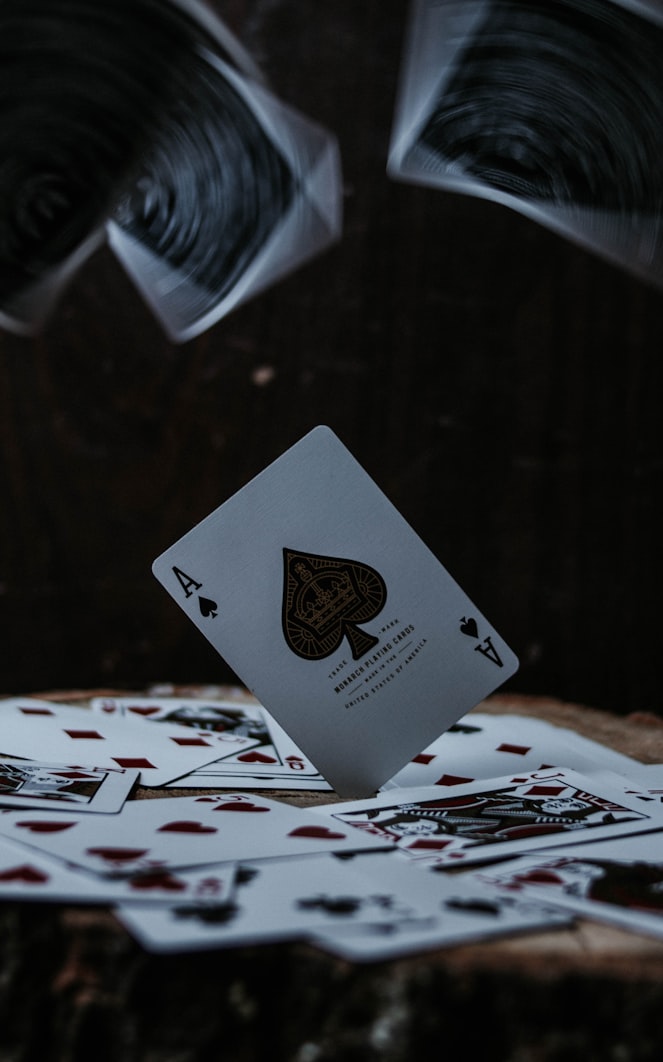
This element of chance extends beyond the games themselves, impacting the atmosphere and timing of a player’s visit. Many gamblers harbor superstitions or rituals they believe can influence their luck, such as wearing specific clothing or choosing certain machines. This intertwining of personal belief and chance creates an immersive experience hinged on the unpredictable nature of luck, making every visit to the casino unique. Such beliefs can enhance the thrill of the game, as players engage not just with the mechanics but with their own expectations and hopes, creating a layered experience that is both personal and communal.
The Psychological Impact of Luck
The psychological aspects of luck in gambling hold considerable significance. Players often craft personal narratives around their luck that can influence their overall casino experience. For instance, a player who enjoys a series of wins may begin to feel invincible, attributing their success to their own skills rather than the inherent randomness of the games. Conversely, someone experiencing a streak of losses may come to believe they are perpetually unlucky, potentially leading to a negative emotional spiral that affects their future gaming decisions. The mind can become a powerful ally or adversary in the pursuit of luck.
This psychological phenomenon manifests in various ways, impacting player behavior significantly. A player who feels lucky may engage more readily, increasing their bets and taking risks they otherwise wouldn’t consider. This sense of euphoria can be exhilarating but may also lead to impulsive decisions and overspending. On the flip side, players perceiving themselves as unlucky might withdraw from the game, missing out on the enjoyment and social aspects that casinos can offer. Understanding these psychological impacts is crucial for responsible gambling.
Furthermore, casinos strategically leverage the psychology of luck to enhance the gaming atmosphere. They use lights, sounds, and themes that celebrate wins, creating an environment where luck feels ever-present. By framing the environment to emphasize success, casinos encourage players to remain hopeful, even when faced with setbacks. This careful crafting of the player’s experience illustrates the powerful role that luck plays, shaping not only the outcomes but also the overall enjoyment of the gambling experience. The casino becomes a stage where the theater of luck unfolds in enchanting ways.
The Community and Shared Luck
Another intriguing aspect of luck in casinos is the sense of community it fosters among players. Many gamblers enjoy sharing their experiences, discussing their ‘lucky’ moments, and building camaraderie with fellow players. This social interaction can significantly enhance the thrill of gambling, as players often root for each other’s wins, creating a shared experience of hope and anticipation. The communal aspect of luck transforms the betting experience from a solitary endeavor into a collective celebration, enriching the overall atmosphere and making the experience more memorable.
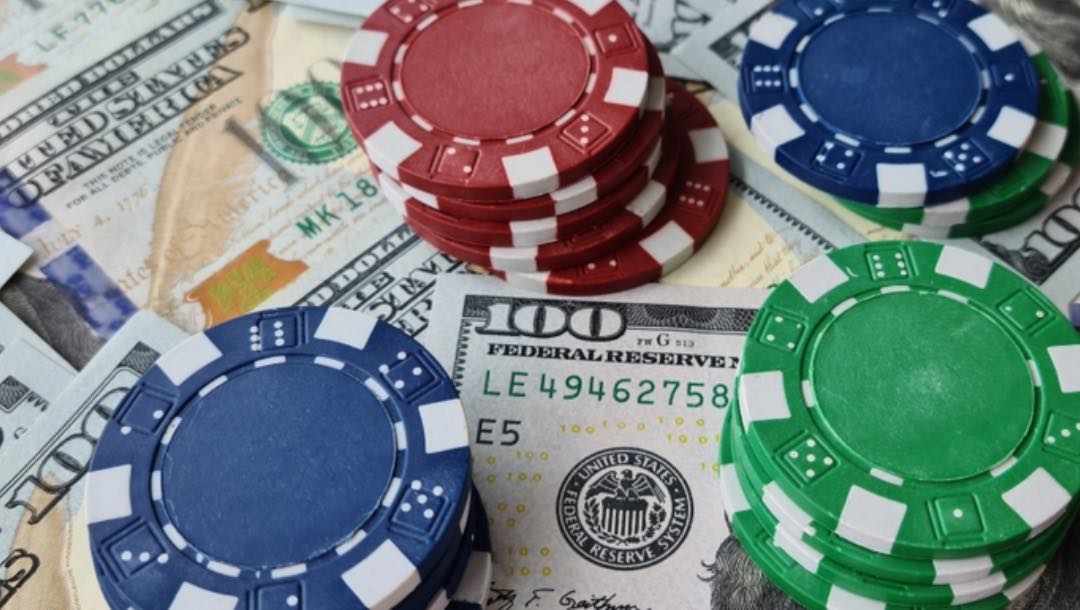
Casinos actively facilitate this sense of community through promotions and group games, where outcomes can feel like a shared fortune. For example, progressive jackpots often lead to communal celebrations when a player wins, fostering a sense of shared luck among those present. Such shared joy can heighten the overall ambiance, making casinos feel more inviting. Engaging with others who share similar beliefs about luck allows for the exchange of stories and strategies, further enriching the experience for everyone involved. The bonds formed over shared experiences can create lasting friendships.
Moreover, the concept of collective luck can profoundly impact how individuals perceive their own experiences. If one player at a table hits a big win, it can create a ripple effect, leading others to feel that luck is in the air. Players may then approach their own bets with renewed hope, believing they too may encounter a fortunate outcome. This psychological connection among players, reaffirming each other’s belief in luck, can deeply influence their overall casino experience, making it not just about individual wins but a shared journey of chance and excitement. The atmosphere becomes charged with collective anticipation, making every game feel like a community event.
Exploring More About Luck and Casinos
As luck plays a central role in shaping the casino experience, there are numerous avenues to explore for those interested in understanding this phenomenon more deeply. Whether you are a seasoned player or a newcomer, recognizing the impact of luck can enhance your appreciation for the games. Engaging with communities, reading insightful articles, and participating in discussions can provide valuable insights into how luck interacts with strategy and decision-making in gambling. There is a wealth of knowledge available that can transform how one perceives luck in the gaming world.
For those wishing to dive deeper into the world of luck and casinos, many resources offer valuable information about the odds and mechanics of different games. Understanding the fine line between luck and skill can provide clarity regarding personal playing styles and approaches to games. This comprehensive knowledge empowers players, allowing them to enjoy the thrill that luck brings while also recognizing the strategic elements involved in their gaming experiences. It is this balance that can lead to a more fulfilling gambling journey.
Ultimately, the relationship between luck and casinos is one of intrigue and excitement. By embracing the unpredictability of luck, players can enhance their enjoyment and cultivate a more rewarding gambling experience. Staying informed and engaged can reveal that luck is not merely a chance occurrence but a fascinating journey that can significantly shape your time spent at the tables, creating lasting memories and stories to share. In this ever-evolving landscape of chance, players are encouraged to explore and celebrate the role luck plays in their adventures.
