
Understanding the Basics of Gambling A Beginner's Guide to Get Started
Scopri la recensione del mobile app di birdspin casino: gioca in movimento senza problemi
October 21, 2026Spinformula Casino Portugal: os melhores jogos e promoções disponíveis agora
October 21, 2026Understanding the Basics of Gambling A Beginner's Guide to Get Started
What is Gambling?
Gambling is the act of risking something of value on an event that is largely determined by chance, with the intention of winning additional money or material goods. This practice has existed for thousands of years across various cultures, evolving into a multi-billion dollar industry today. From traditional games like poker and blackjack to modern video slots, gambling encompasses a wide array of activities that attract millions around the globe.
At its core, gambling hinges on the excitement of chance and the potential for reward. Individuals place bets based on their predictions regarding the outcomes of events, whether in sports, casino games, or lotteries. This unpredictability is what fuels many people’s interest in gambling, as the prospect of winning big can be incredibly appealing.
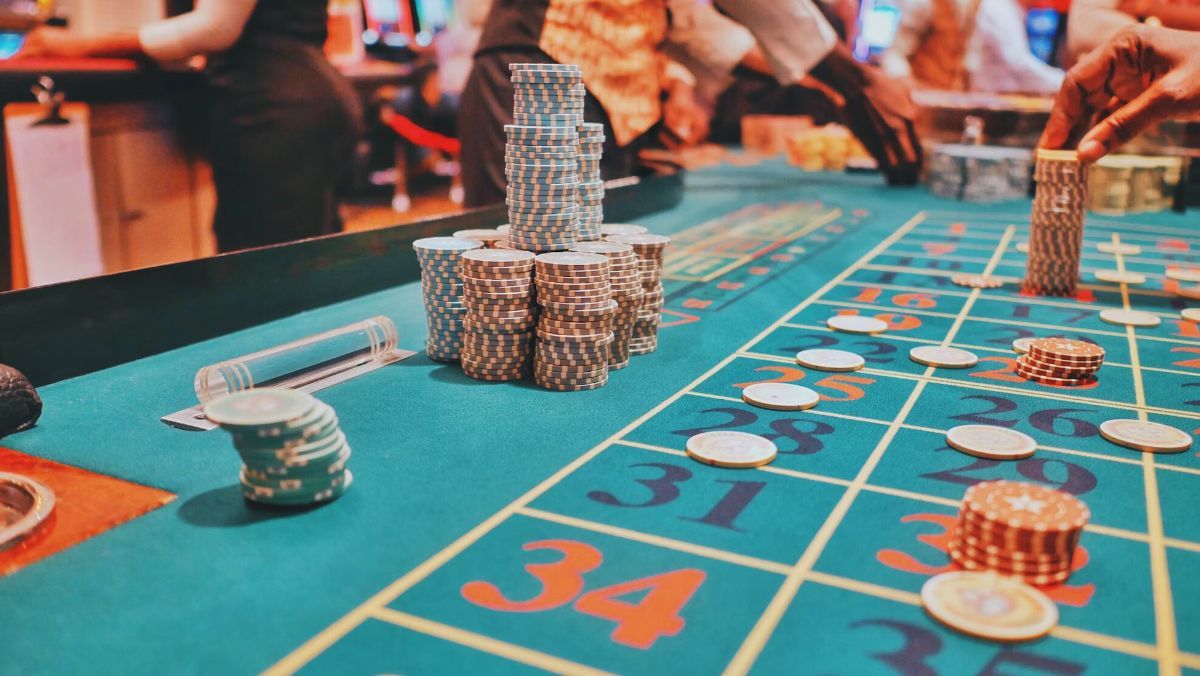
However, it is essential to understand the risks involved. While many enjoy gambling as a form of entertainment, it can also lead to financial difficulties if not approached responsibly. Awareness of the odds and an understanding of how different games function are crucial to ensuring a healthy relationship with gambling.
Types of Gambling
Gambling can be broadly categorized into two main types: games of chance and games of skill. Games of chance, such as roulette and slot machines, rely purely on luck, while games of skill, like poker and blackjack, require a certain level of strategy and expertise. Understanding these distinctions can help beginners make informed decisions about where to invest their time and money.
Moreover, gambling can take place in various settings, including casinos, online platforms, and even informal home games. The rise of the internet has revolutionized the gambling landscape, allowing players to engage in their favorite games from the comfort of their homes. Online gambling offers a vast selection of games, promotions, and bonuses that can enhance the experience for newcomers.
Each type of gambling has its own set of rules, odds, and strategies. For instance, while slots may appeal to those seeking a quick thrill, poker attracts players interested in honing their skills and competing against others. Understanding these differences is vital for anyone looking to start their gambling journey.
Understanding the Odds
One of the most crucial aspects of gambling is understanding the odds, which represent the likelihood of a particular outcome occurring. These odds can vary widely depending on the game being played and the specific bet being placed. In many cases, understanding how odds work can significantly impact a player’s overall success and enjoyment of the game.
For example, in a game like roulette, the odds of winning can differ based on whether one is betting on a single number or a color. Players must familiarize themselves with the different types of bets available and their respective odds to make educated decisions. This knowledge helps to manage expectations and can prevent players from falling into common traps associated with gambling.
Additionally, many casino games include a house edge, which is the advantage that the casino has over the players. Understanding this concept is essential, as it can influence a player’s long-term success. By educating oneself about odds and the house edge, beginners can approach gambling with a more strategic mindset, leading to more enjoyable and responsible gaming experiences.
Responsible Gambling
As with any form of entertainment, responsible gambling is key to ensuring a positive experience. Setting limits on time and money spent is crucial for players at all levels. By establishing a budget and adhering to it, individuals can enjoy the thrill of gambling without jeopardizing their financial well-being.
Moreover, understanding the signs of problematic gambling behavior is essential for maintaining a healthy relationship with gaming. This includes recognizing when gambling is causing stress or negatively affecting personal relationships. Seeking help and resources, such as counseling or support groups, can be an important step in overcoming gambling-related challenges.
Furthermore, many casinos and online gambling platforms offer tools to help players gamble responsibly. These may include self-exclusion options, deposit limits, and reality checks. Familiarizing oneself with these resources can aid beginners in creating a safe and enjoyable gambling environment.
Exploring Online Gambling and Resources
Online gambling has transformed the way people engage with gambling activities, providing convenience and a wider range of options than traditional casinos. Many platforms offer user-friendly interfaces and a diverse selection of games, making it easier than ever for beginners to get started. However, it’s vital to choose reputable sites that prioritize player safety and responsible gaming practices.
In addition to gaming options, online platforms often provide educational resources to help new players understand the games they are interested in. Tutorials, guides, and practice modes can empower beginners to familiarize themselves with the mechanics of various games before placing real bets. Taking advantage of these resources can significantly enhance the gambling experience.
Moreover, the importance of researching and reading reviews about different online casinos cannot be overstated. These reviews can provide insights into the platforms’ trustworthiness, game variety, payout rates, and customer service. Being well-informed can help beginners make better choices and enjoy their online gambling journey with confidence.
